
Summer Storm Tips and Resources
Summer storms can bring heavy rain, strong winds, lightning and the possibility of power outages. San Bernard EC is prepared to respond when severe weather impacts our service area, and our crews are ready to work safely to restore power as quickly as possible. Below, you’ll find helpful tips and resources to prepare your home, protect your family and stay safe before, during and after summer storms.
Be prepared for inclement weather before it happens. If you don’t have an emergency kit already, now is the time to make one. Include the following items in your kit, and keep it stocked, up to date, and in a designated spot that is easily accessible at all times.
- flashlights
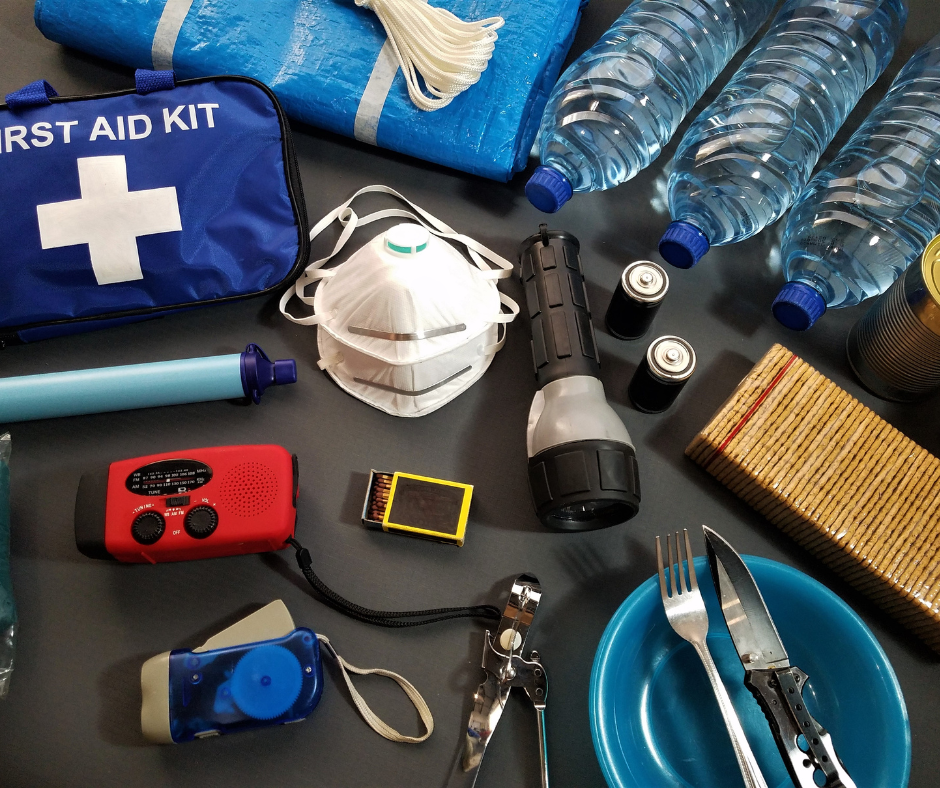
- batteries
- bottled water
- nonperishable food
- blankets
- matches
- first-aid supplies
- medications (over-the-counter and prescription)
- pet supplies
- battery banks for charging devices
- all-weather radio
- multipurpose tool
- air-activated heat packs
- hand sanitizer
- a list of important numbers, including your SBEC account number, and SBEC’s outage reporting and emergency line, 800-364-3171.
Sign up for SMS alerts
SBEC now offers a one-way text alert service. Sign up today to receive these messages from SBEC during an emergency, including prolonged power interruptions and mandated rolling outages. Add your mobile phone number to TextPower by texting SBEC to 85700. For Full instructions, please visit us on the Reporting an Outage page.
We will also be updating information on our social media, through our email list from San Bernard Electric Cooperative, and on our website. You can follow us on Facebook here.
If temperatures drop and forecasts begin to show cold weather or a wintry mix, you may want to have these items ready and on-hand, in addition to your emergency kit.
- Charged cell phone and extra cords for charging phones, tablets, and other electronic devices
- Additional firewood
- Coats, hats, gloves, and warm clothing
- An additional heating source
- Your SBEC account number (keep this handy)
- Extra fuel for vehicles
Prepare your home
- Insulate external water lines on your water heater to help keep your pipes warm and save money on heating water. Remove and store garden hoses and cover exposed water lines and spigots.
- High winds can cause branches and trees to fall and are a common cause of property damage and power outages. Trim any trees that are close enough to damage your home. Contact SBEC at 800-364-3171 for any trees that come within 10 feet of the power lines. NEVER trim trees that are close to a power line.
- Check the weather-stripping on your windows and doors, and seal leaks with caulk or replacement stripping. Addressing air leaks may save you up to 20% on your heating bill!
- Check the HVAC filter at least once a month and replace it when it is dirty.
- Have a certified technician perform maintenance on your system to ensure it is running efficiently.
- Develop a plan with your family in case of prolonged outages (where and when to seek shelter if needed).
Protect your home
- Keep your faucets on a slow drip to keep pipes from freezing. Catch the dripping water in a clean container, sink, or tub to use if your water system is impacted. If your pipes freeze, turn off the main water supply to prevent further damage.
- Pick the lowest temperature you’re comfortable with and set your thermostat there — 68 degrees or lower is recommended. When you’re not home, keep your thermostat set at 60 degrees.
- Keep drapes and blinds closed, except when windows are in direct sunlight.
- Close doors to unoccupied rooms to help warm your home faster.
- If you experience an outage, keep lights and appliances off to avoid overloading circuits when power is restored. Instead, leave only one light on as a signal, so that you know when your power returns.
- If you have an additional heating source, like a fireplace, be sure that it’s clean and working properly before using it.
Remember these important winter storm safety tips:
- Don’t use your stove or oven for heat. Gas stoves and ovens produce carbon monoxide, and electric ones pose a fire risk when not used as designed.
- Don’t run your car in the garage as a way of warming up. Only run the car outside, and before you start it, make sure that the exhaust pipe is clear of snow and debris. Taking these steps could save you and your family from carbon monoxide poisoning.
- Never run a generator closer than 20 feet from doors and windows to prevent fumes from entering the home.
Protect your family
- Watch weather reports closely. Keep your all-weather radio nearby and listen to local media reports for the most up-to-date weather and safety information.
- Keep a close watch on the temperature in your home and check it often. If outages are prolonged, consider staying with friends, family, or in a local shelter.
- Remember these important safety tips when using your generator and always practice safety when using alternative heat sources.
- Bring pets inside your home, and provide blankets, shelter, and water for livestock.
- If you are able, check on elderly relatives, neighbors, and friends to make sure they’re safe, especially if they live alone.
Power Restoration at San Bernard Electric Cooperative
At San Bernard Electric Cooperative, we do our best to avoid outages—but sometimes, Mother Nature has other plans.
For most SBEC members, outages are rare and brief. However, during major weather events like hurricanes or severe storms, extended outages can occur. When they do, rest assured we have a well-planned, efficient restoration strategy in place.
How Power Restoration Works
When the lights go out, our crews are ready. Once it is safe to begin restoration efforts, we focus on bringing power back to the greatest number of members in the shortest time possible. Here’s how that process typically unfolds:
-
High-Voltage Transmission Lines
These lines carry power from generation sources to substations. If damaged, they are repaired first to restore power to large sections of the grid. -
Main Distribution Lines
These lines move power from substations into towns, neighborhoods, and business districts. -
Tap Lines
These smaller lines serve clusters of homes and businesses. Repairs here help restore power to localized areas. -
Individual Service Lines
These lines connect your home or business to the grid. If you're still without power after others are restored, the issue may be on this line.
We prioritize public safety and critical infrastructure throughout the restoration process, including hospitals, water systems, and emergency services.
Our Crews Are Ready
SBEC keeps extra supplies, poles, and transformers on hand for emergency repairs. During widespread outages, multiple crews work simultaneously across the system to speed up restoration efforts. We also partner with other cooperatives for additional support when needed.
Preventing Outages Year-Round
Our proactive maintenance helps minimize the frequency and duration of outages. You may see our crews:
-
Trimming trees and clearing vegetation near power lines
-
Inspecting poles, transformers, and other infrastructure
-
Upgrading equipment and improving service reliability
Trimming trees isn’t just about aesthetics—it’s one of the most important things we can do to reduce the risk of outages.
Reporting an Outage
The fastest way to report an outage is through TEXT POWER by texting SBEC to 85700.
You can also call our 24/7 outage reporting line at 979-865-3171.
Members with Medical Needs
If you rely on electric-powered medical equipment, please notify SBEC in advance. Always have a backup plan ready, such as:
-
A portable generator
-
Extra batteries or medical supplies
-
A plan to relocate temporarily, if necessary
Always read and follow all safety guidelines when operating a generator.
Stay Connected During Storms:
-
Texas AgriLIFE Extension Service’s Extension Disaster Education Network (EDEN)
-
American Red Cross
-
National Weather Service